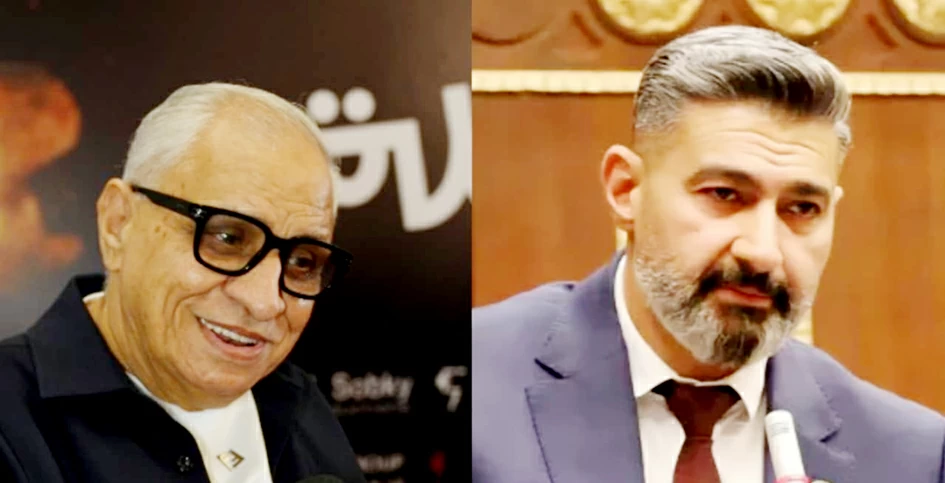
بعد الجدل الذي أثارته تصريحاته بشأن الفنان ياسر جلال، سارع المنتج أحمد السبكي، إلى احتواء الأزمة، مقدّماً اعتذاراً علنياً ومؤكداً أن حديثه السابق أُسيء فهمه ولم يكن يقصد به الإساءة.وقال السبكي: «كله إلا ياسر، ده ابني وحبيبي وأنا اللي مربيه، ومن أحسن الناس اللي اتعاملت معاهم في المجال، وتصريحاتي عنه كانت هزار في هزار، وبعتذر لو كلامي اتفهم غلط».
وجاء اعتذار السبكي بعد تصريحاته السابقة التي اعترض فيها على المطالبة بتفعيل «حق الأداء العلني»، مؤكداً حينها أن مثل هذا الملف لا يُحسم بقرار فردي، وأن من يطالب به يجب أن يتشاور مع المنتجين وجميع أطراف الصناعة، وهو ما فُسّر على أنه هجوم مباشر على ياسر جلال.
وشدّد السبكي، على أن علاقته بياسر تمتد لسنوات طويلة، وتقوم على الاحترام والتقدير المتبادل، نافياً وجود أي خلاف شخصي بينهما، ومؤكداً أن ما أثير لا يعكس حقيقة العلاقة التي تجمعهما.
وتأتي هذه التطورات في وقت يشهد فيه الوسط الفني نقاشاً حول تفعيل «حق الأداء العلني» للفنانين، في ظل تباين وجهات النظر بين عدد من الفنانين والمنتجين بشأن آليات تطبيقه وانعكاساته على صناعة الدراما والسينما.
After the controversy sparked by his statements regarding the artist Yasser Jalal, producer Ahmed El-Sobky quickly moved to contain the crisis, offering a public apology and confirming that his previous remarks were misunderstood and not intended to offend. El-Sobky said: “Everyone except Yasser, he is my son and my dear, and I raised him. He is one of the best people I have dealt with in the field, and my comments about him were just joking around, and I apologize if my words were misunderstood.”
El-Sobky’s apology came after his earlier statements in which he objected to the call for activating the “public performance right,” asserting at the time that such a matter cannot be resolved by an individual decision, and that those who demand it should consult with producers and all parties in the industry, which was interpreted as a direct attack on Yasser Jalal.
El-Sobky emphasized that his relationship with Yasser has lasted for many years and is based on mutual respect and appreciation, denying any personal conflict between them and confirming that what has been raised does not reflect the true nature of their relationship.
These developments come at a time when the artistic community is engaged in a discussion about activating the “public performance right” for artists, amidst differing viewpoints among several artists and producers regarding the mechanisms for its implementation and its implications for the drama and cinema industry.